









Key takeaways
- Start with a small core kit: a sharp chef's knife, a sturdy cutting board, mixing bowls, measuring tools and a few durable utensils.
- Compare the intended use, dimensions, handle design and care instructions, and inspect tools for loose parts or damaged surfaces.
- Set your budget around the tools you use most, and choose a set only if its contents suit your routine.
- Use a separate board for raw meat and store knives so the edges are protected, not loose in a drawer.
- Follow each product's cleaning instructions and dry tools before storing them; pay particular attention to knives and wooden pieces.
When you buy kitchen tools in Lebanon, start with the tasks you do most often: chopping vegetables, mixing ingredients, stirring sauces and serving meals. Choose a small kit that covers those jobs, then add specialised pieces when you need them. This guide explains what to compare before ordering and how to care for the tools you choose.
Whether you are setting up a first apartment in Beirut, replacing worn-out utensils, or upgrading a family kitchen, the choices below are meant to save you time in the shop and frustration at the stove.
Kitchen Tools to Start With
Start by checking what you already own and listing anything you regularly reach for but do not have. Preparing tabbouleh, mixing a dressing and cooking a family meal each call for a few useful basics.
The core kit most homes need:
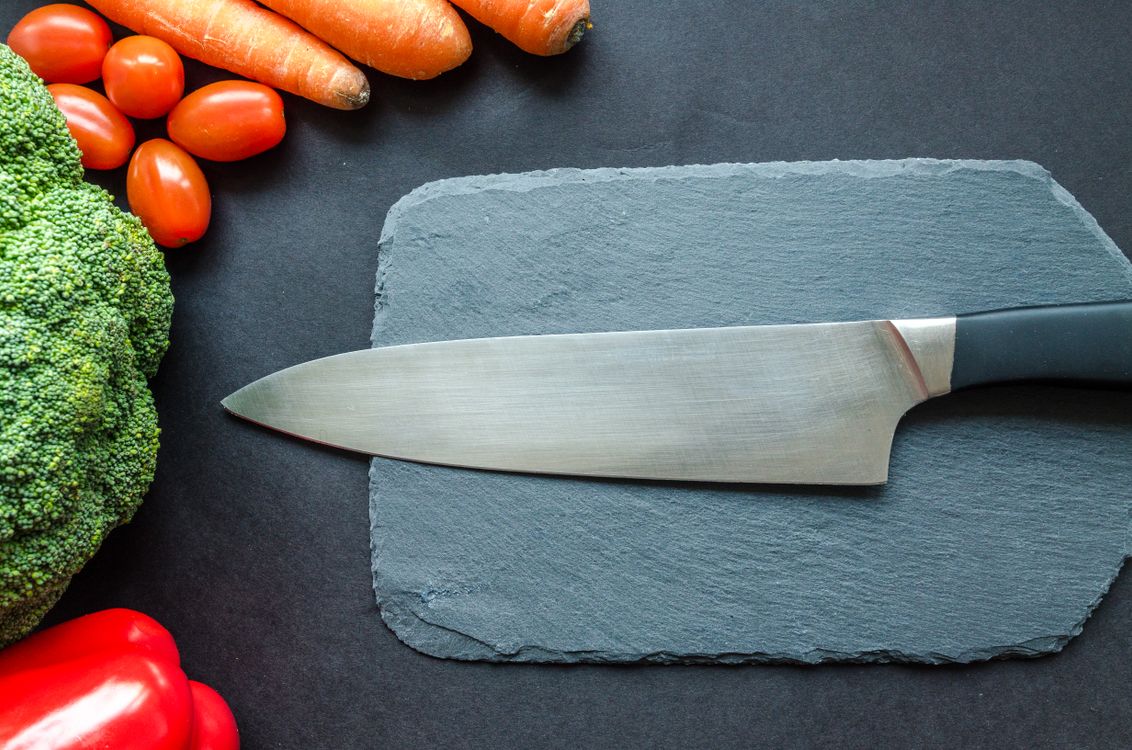
- A chef's knife. Choose a size and handle that feel manageable for everyday chopping and slicing. Match the knife to the task described by its manufacturer.
- A cutting board. Choose a board that sits securely on your worktop, has enough room for your ingredients and is easy to clean. Keep a separate board for raw meat, poultry and seafood.
- Mixing bowls. A nesting set can save cupboard space. Check the material, capacity and intended uses before choosing bowls for mixing, marinating or serving.
- Measuring cups and spoons. Useful for baking and for following recipes with confidence.
- Basic utensils. A wooden spoon, a slotted spoon, a ladle, a spatula, and tongs cover most stovetop tasks.
- A colander or strainer. For rinsing rice, draining pasta, and washing greens.
- A can opener and a peeler. Small tools you only miss when they are missing.
Once these basics are in place, add tools that match how you cook. Our Ernesto Whisk is an option for whisking sauces and whipping cream. Coffee drinkers can also explore our Coffee & Tea collection for pieces suited to their brewing routine.
How to Judge Quality and Durability Before You Buy
Compare the specifications and construction of each tool rather than judging it by price alone. When shopping online, look for clear photos, dimensions, materials and care instructions; ask the seller about any missing detail that matters to your decision.
Check the size and grip
If you can handle a sample safely, check whether its weight and grip feel comfortable. Online, compare the listed dimensions with a tool you already use. A flexible spatula can be useful for scraping a bowl, while other tools need a firmer head or handle for their intended task.
Look at how it is put together
Check that handles and attachments are secure, and look for visible cracks, loose joints or damaged coatings. Knife construction is one feature to compare alongside size, grip and intended use; it should not be your only reason for choosing a model.
Check the finish
Inspect surfaces and joints visually for damage or rough areas. Keep your fingers away from blades, cutting edges and sharp points. Product photos can help, but ask the seller if an important detail is not visible.
Understand the material
Choose materials that suit the task and the cookware you use. Check the stated heat limit before using a nylon, plastic or silicone utensil on the stove, and follow your pan manufacturer's guidance on compatible tools. For example, our Ernesto Spatula is listed as suitable for coated pots and pans, with heat resistance up to 210°C. Use it within the product's instructions.
Check that the product is intended for food preparation and follow any restrictions on heat, cleaning or food contact. If the listing does not give the information you need, ask for clarification before ordering.
Budget-Friendly vs Premium Tool Sets Compared
There is no single right answer here, and the most expensive option is not automatically the best for your kitchen. What matters is how often you cook and what you cook.
With a smaller budget, buy the essential pieces first. Compare the material, dimensions and care requirements of each option, and avoid paying for a large set when you only need two or three tools.
With more room in your budget, decide which features would improve daily use: a grip you prefer, a size that fits your pans or a storage format that suits your kitchen. Compare those details directly across products.
For premium tools or sets, check what the higher price includes and whether you will use those features. Read the contents list carefully and compare it with the cost of buying only the pieces you need.
A practical approach is to spend more on the tools you use often when the extra features are useful to you. Price alone does not guarantee comfort, durability or better results.
Where to Buy Kitchen Tools Online in Lebanon
Shopping online lets you compare tools side by side, read the specifications carefully, and avoid carrying heavy bags home. When you buy kitchen tools online, a few habits help you choose well:
- Read the product details. Check the material, size, and what each tool is designed for, so it fits your kitchen and your cooking.
- Check what is included. Confirm the number of pieces and their sizes, especially when comparing sets.
- Check the store's delivery and returns information before you order, so you know what to expect.
At European Household, you can browse our Kitchen & Dining collection to compare cooking, serving and dining pieces. Check each product page for the specifications and care instructions relevant to your kitchen.
For organising ingredients alongside your tools, explore our Storage & Containers collection and compare sizes with your available shelf space.
Care and Storage Tips to Make Tools Last
Follow the care instructions supplied with each tool. Cleaning, drying and suitable storage can help you keep your kitchen equipment ready for use.
Follow the cleaning instructions
Check whether each item is dishwasher-safe or needs hand-washing. Follow the manufacturer's advice for knives, wooden pieces, coatings and handles. Dry tools before storing them, and avoid leaving knives loose in a sink or submerged where the blade is hard to see.
Protect knife edges
Cut on wood or plastic rather than glass, stone, or metal, which dull blades quickly. Store knives in a block, on a magnetic strip, or in a guard, so the edges are not knocking against other tools in a drawer.
Keep raw and ready-to-eat foods apart
Use a separate board for raw meat, poultry and seafood, and another for fresh produce and ready-to-eat foods. Wash boards and utensils between preparation tasks. This follows USDA guidance on preventing cross-contamination.
Clean boards properly and replace them when worn
Wash cutting boards with hot, soapy water after use, then rinse and dry them. Follow the board manufacturer's cleaning instructions. Replace boards with cracks or deep grooves that are difficult to clean; this is also covered in the USDA guidance above.
Store tools where you use them
Keep frequently used utensils in an accessible place away from direct heat, and group similar tools together. Use a suitable knife block or guards for sharp tools, with storage kept out of children's reach.
Choose Your Next Kitchen Tool
Start small, choose comfortably, and care for what you buy. A sharp knife, a sturdy board, and a handful of dependable utensils will carry you through most of the cooking you do at home, and you can add specialised pieces as your confidence grows.
Browse our Kitchen & Dining collection and start with the tool that would make your most frequent cooking task easier.
Frequently asked questions
What kitchen tools should I buy first?
Start with a chef's knife, suitable cutting boards, mixing bowls, measuring tools and a few utensils matched to your cookware. Choose what you need based on the meals you cook most often.
Are expensive kitchen tools always better?
Price alone is not enough to judge a tool. Compare its intended use, dimensions, material, grip and care instructions. For sets, check that you will use the included pieces before paying for the bundle.
How do I keep my kitchen knives sharp for longer?
Cut on a wooden or plastic board rather than stone or glass, hand-wash and dry the blade, and store it in a block or on a magnetic strip so the edge does not knock against other tools.
Is stainless steel or wood better for kitchen tools?
Choose according to the task, your cookware and the product's care instructions. Check your pan manufacturer's guidance before using a metal utensil on a coated surface, and follow the cleaning advice for wooden tools.


