






Key takeaways
- Choose a coffee maker that suits your favourite drinks, daily routine and kitchen space.
- Compare manual pour-over coffee makers, French presses, moka pots, drip coffee makers, espresso machines and pod machines by brewing style and convenience.
- Check the capacity in millilitres or litres, as a machine’s “cup” size may differ from your usual mug.
- Consider the ongoing cost of coffee, capsules, filters and cleaning products alongside the purchase price.
- Follow the manufacturer’s cleaning and descaling instructions for your specific model.
Choosing a coffee maker starts with how you like your coffee. Do you make one cup before work, brew for the whole family, or enjoy taking your time over a cappuccino? Your daily routine, kitchen space and budget can help narrow down the options.
This coffee maker buying guide compares manual pour-over coffee makers, French presses, moka pots, drip coffee makers, espresso machines and pod machines. We’ll cover what to check before buying, the everyday costs to consider and how to care for your chosen model, so you can build a coffee setup that works for your home.
Coffee Maker Types Compared: Pour-Over, French Press, Moka Pot and Machines
Different brewing methods suit different tastes and routines. Compare the type of coffee each one makes, how much preparation it needs and the ongoing cost of using it.
A manual pour-over coffee maker uses a dripper and filter placed over a cup or carafe. You pour hot water over ground coffee yourself, giving you control over the amount of water and the pace of brewing. Before buying, check the capacity, whether it uses paper filters or a reusable filter, and which pieces are included. Ceramic and glass pour-over sets are practical options for a compact home coffee corner.
A stovetop coffee maker, or moka pot, uses heat to push water through ground coffee into an upper chamber. It suits people who enjoy strong coffee and a hands-on brewing routine. Before buying, check the capacity and compatibility with your hob, especially if you use induction. The advertised cup count usually refers to small servings, so compare the stated volume with the amount you normally drink.
A drip coffee maker brews ground coffee through a filter into a carafe. It is a practical option if you want several cups of filter coffee at once. Check the minimum brewing quantity as well as the full capacity.
An espresso machine uses pressure to brew a small, concentrated coffee. For cappuccinos and lattes, look for a model with a steam wand or a suitable milk-frothing system. Check whether it takes ground coffee, whole beans or capsules, and whether you will need a separate grinder.
A French press steeps ground coffee in hot water before a mesh plunger separates most of the grounds from the drink. It makes a full-bodied coffee and gives you control over brewing time. The press itself needs no electricity, although you still need a way to heat the water.
A pod or capsule machine brews individual servings using compatible coffee pods or capsules. It offers convenient preparation, but check the capsule system, local availability and cost per serving before buying. Different systems make different drink sizes, and capsules are not universally interchangeable.
Matching a coffee maker to your routine
Start with how much coffee you actually make. If several people drink filter coffee each morning, a drip coffee maker lets you brew a pot to share. If you usually prepare one serving at a time, compare a compact capsule machine with a smaller manual brewer.
Your favourite drinks matter too. If you enjoy espresso, cappuccinos or lattes, check how the machine brews coffee and prepares milk. Some models have a steam wand or an automatic milk system; others need a separate frother.
Think about the whole routine, including preparation and cleaning. A capsule machine reduces the need to measure coffee, while a French press or a manual espresso setup gives you more involvement in the brewing process. Choose an option you will enjoy using on an ordinary busy morning.
Finally, measure your available countertop space. Allow room to open lids, refill the water tank and remove parts for cleaning. If you need a separate grinder or milk frother, include those in your space and budget too.
Features and capacity to consider before buying
Before buying a coffee maker, check the specifications for the exact model. Focus on the features you will use regularly and what is included in the box.
Capacity: Check the volume in millilitres or litres alongside the stated number of cups. A manufacturer’s “cup” may be smaller than your usual mug. For machines with a refillable tank, distinguish the tank capacity from the amount brewed in one serving.
Carafe type: If you choose a drip coffee maker, check whether it comes with a glass or insulated thermal carafe. Consider how soon you usually drink your coffee and whether the model has a keep-warm function or automatic shut-off.
Controls and convenience: Look for features that suit your routine, such as adjustable serving sizes, a programmable timer or a removable water tank. Check the product description rather than assuming every model includes them.
Cleaning and maintenance: Check how the filter basket, drip tray and any milk components are cleaned. Only put parts in the dishwasher if the manufacturer identifies them as dishwasher-safe. If the machine uses a water filter, check its replacement requirements and availability.
Included accessories and ongoing costs: Confirm whether filters, a coffee scoop, a milk jug or other accessories are included. Factor in any separate grinder, compatible capsules, replacement filters and recommended cleaning products when comparing the total cost.
Cleaning and descaling tips that protect your machine
Cleaning and descaling are different tasks. Cleaning removes coffee residue and milk buildup, while descaling removes mineral deposits inside the machine. Follow the manufacturer’s instructions for both.
After use: Empty used grounds or capsules and clean the removable parts as directed in the manual. If your machine has a steam wand or milk system, follow its cleaning procedure after preparing milk drinks.
When to descale: The right schedule depends on your machine, water hardness and how often you brew. Follow the manual and any descaling alerts instead of using a fixed schedule for every coffee maker.
Which products to use: Use a descaler approved or recommended by the manufacturer, following the stated dilution and rinsing instructions. Do not assume that vinegar or a homemade citric acid mixture is suitable for your model.
Water filters: If your machine uses a filter, replace it as instructed. Having a filter does not automatically remove the need to descale, so continue following the machine’s maintenance guidance.
Choosing a Coffee Maker That Fits Your Budget
Good value starts with choosing a coffee maker you will use regularly. Compare the purchase price with the ongoing cost of coffee, capsules, filters and maintenance, rather than paying extra for features you rarely need.
For manual brewing: Compare a ceramic pour-over coffee maker with a French press. Both let you prepare ground coffee by hand. Check the capacity and included accessories, and budget for compatible paper filters if your chosen dripper requires them. If you buy whole beans, include a suitable coffee grinder in your setup.
For everyday filter coffee: Look for a drip coffee maker with a suitable brewing capacity and parts that are easy to clean. A timer or thermal carafe may be useful if it fits your routine, but neither needs to be essential.
For espresso and milk drinks: Check what the complete setup requires. Depending on the machine, you may need a separate grinder, milk frother or other accessories. Include these in your budget before deciding.
For occasional coffee: Compare a smaller manual brewer, such as a French press, with a capsule machine. Consider whether you prefer hands-on preparation or convenience, and check the cost and availability of compatible capsules.
Build your coffee corner gradually. Start with a brewer that suits your favourite drink, then add useful accessories and cups in the sizes you actually enjoy using.
Shop Manual Coffee Makers at European Household
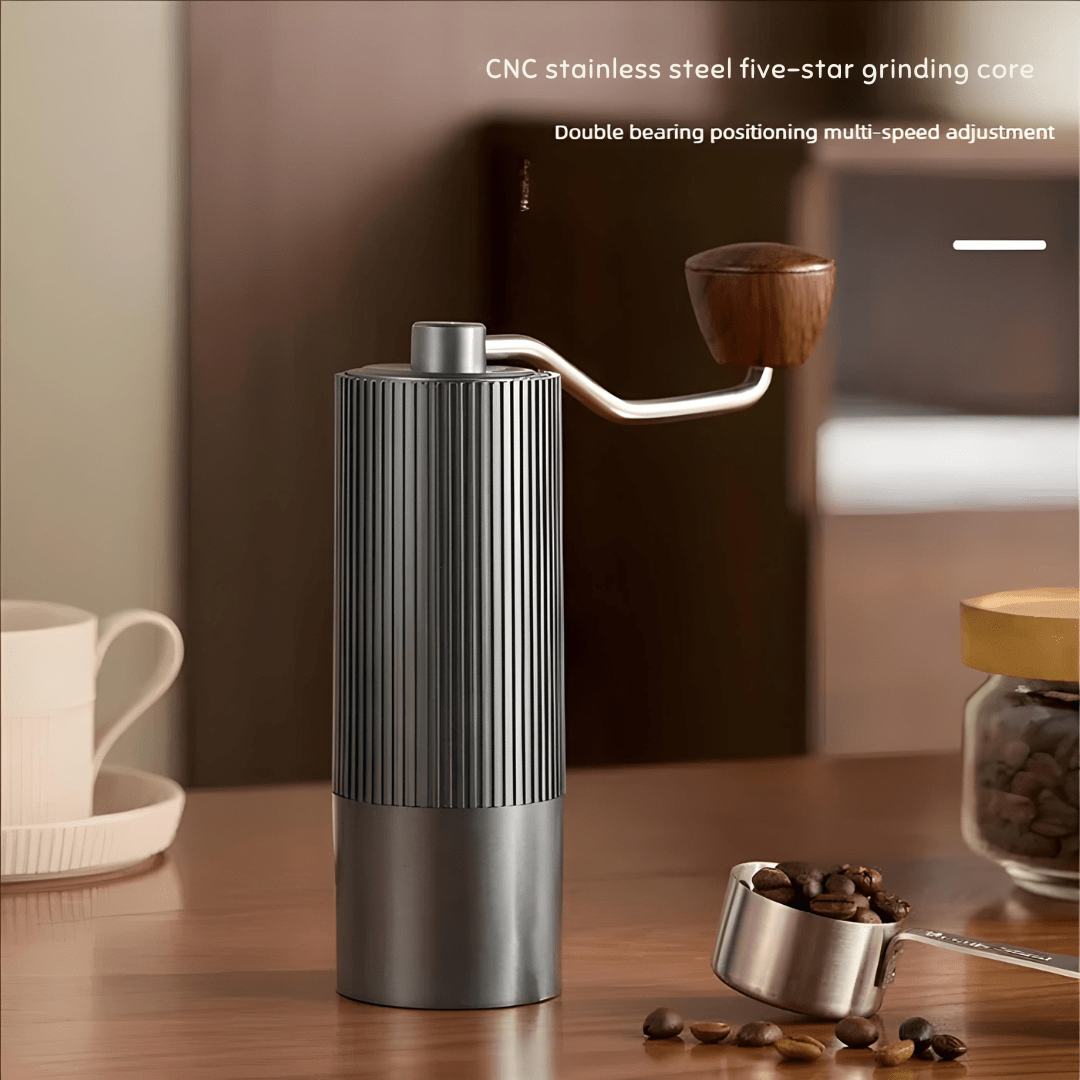
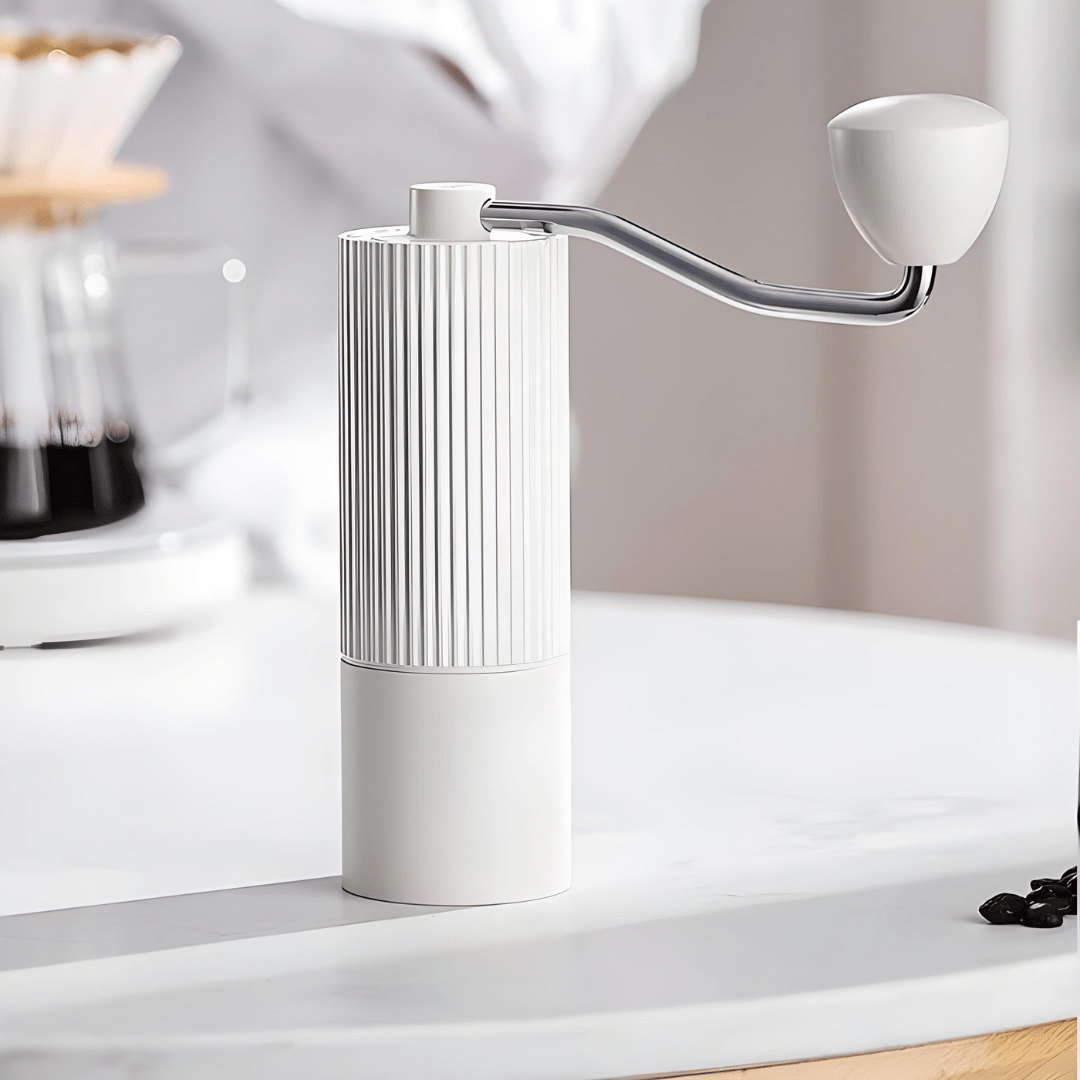
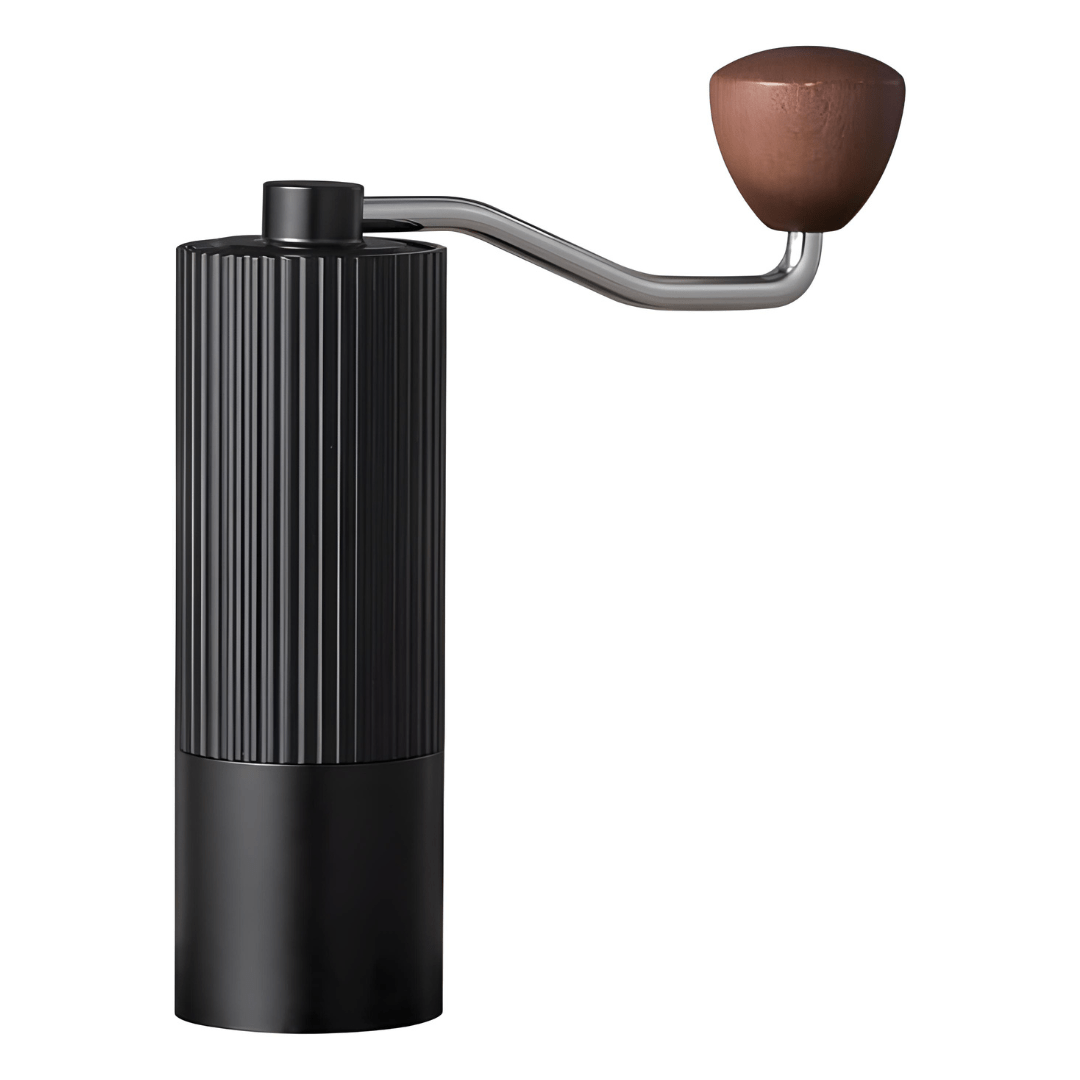
Explore our Coffee Drip Gear collection for pour-over sets, French presses, moka pots, manual coffee grinders and pouring kettles. Start with the brewing method you enjoy, then compare capacity and included accessories to build a coffee setup that suits your routine and budget.
Frequently asked questions
Which coffee maker is best for a busy household?
A drip machine is usually the easiest fit. You add water and ground coffee, press one button, and it brews several cups at once. Models with a programmable timer can have coffee ready before you walk into the kitchen.
Do I really need to descale my coffee maker?
The need and timing depend on your coffee maker, water hardness and how often you use it. For electric machines, follow the manufacturer’s instructions and any descaling alerts. For manual drippers, French presses and moka pots, follow the care instructions for the specific product and material. Use only cleaning or descaling products suitable for your model.
Are pod machines more expensive to run than drip machines?
Usually yes, per cup. Pods cost more than an equivalent scoop of ground coffee, so a heavy coffee household can spend noticeably more over a year. Pods win on speed, consistency and zero mess, which many people value enough to accept the higher cost per cup.
What is the difference between espresso and drip coffee?
Espresso forces hot water through finely ground coffee under pressure, giving a small, concentrated shot with crema. Drip coffee passes hot water slowly through a filter, giving a larger, lighter cup. Espresso is the base for lattes and cappuccinos.
How many cups should my coffee maker hold?
Match the carafe to your daily habit. One or two people are usually fine with a 4 to 8 cup machine, while a larger household or regular guests may want a 10 to 12 cup carafe or a thermal jug that keeps coffee hot without a warming plate.


