






Key takeaways
- Match the material to the job: glass for storing and reheating food when labelled suitable, BPA-free plastic for lightweight daily use, and stainless steel for durable lunch containers.
- Choose airtight lids for dry foods such as rice, bulgur, lentils and coffee. For carrying meals, check that the container is also labelled leak-proof.
- Buy a few useful sizes with compatible lids. Stackable containers help make the most of fridge shelves and kitchen cupboards.
- Clear food storage containers make leftovers easier to spot and help you plan what to use next.
- Check whether each container is dishwasher, microwave and freezer safe. The lid may have different care instructions from the base.
The best kitchen storage containers are the ones that suit how you cook, what you store and the space you have. In a Lebanese kitchen, that might mean keeping bulgur and lentils neatly arranged, packing lunch for work, or storing leftover hummus and home-cooked meals in the fridge.
No single material wins across glass, plastic and stainless steel. A practical approach is to choose each container for a particular job, rather than collecting different boxes with lids that never seem to fit.
Whether you have a compact apartment kitchen in Beirut or a larger family kitchen, start with the foods you store most often. Smaller containers suit dips and snacks, medium sizes work for individual meals, and larger containers help organise dry ingredients or family-sized portions. Check the dimensions as well as the capacity so everything fits comfortably on your shelves.
Glass vs Plastic vs Stainless: Which Material Suits You?
Each material has advantages. Glass is useful for storing food at home and reheating when approved for that purpose. Plastic is convenient for carrying meals. Stainless steel is a durable option for lunches and snacks.
Glass storage containers: practical for leftovers and everyday meals
Glass is easy to see through and resists absorbing food colours and smells. It is a useful choice for hummus, tomato-based dishes and leftovers you want to find quickly in the fridge.
For a coordinated set, explore our 3-Piece Borosilicate Glass Food Storage Set with Bamboo Lids, available in round and square styles.
Always follow the product’s heating instructions. For this set, remove the bamboo lid before using the glass body in the microwave or oven. Avoid sudden temperature changes, and do not assume that every glass storage container is suitable for reheating.
Glass is heavier than plastic and can break, so consider the weight before choosing it for a child’s schoolbag or a daily commute.
Plastic food storage containers: lightweight for work and school
Plastic containers are convenient for lunch at work, children’s snacks and meals on the go. Look for food-contact suitability, secure lids and sizes that fit your lunch bag.
Our Spice & Soul Food Storage Container Set of 3 offers BPA-free plastic containers in three sizes, with snap closures and a stackable design.
BPA-free does not automatically mean microwave safe. Check the instructions for both the container and its lid before reheating, freezing or putting it in the dishwasher.
Stainless steel containers: durable for daily carrying
Stainless steel is worth considering when durability matters most. It suits lunches and snacks that do not need reheating in their container.
Because you cannot see through the sides, a label can help identify the contents. Check the seal before packing liquids or dressings: a stainless steel container is not automatically leak-proof. Keep ordinary stainless steel lunch containers out of the microwave.
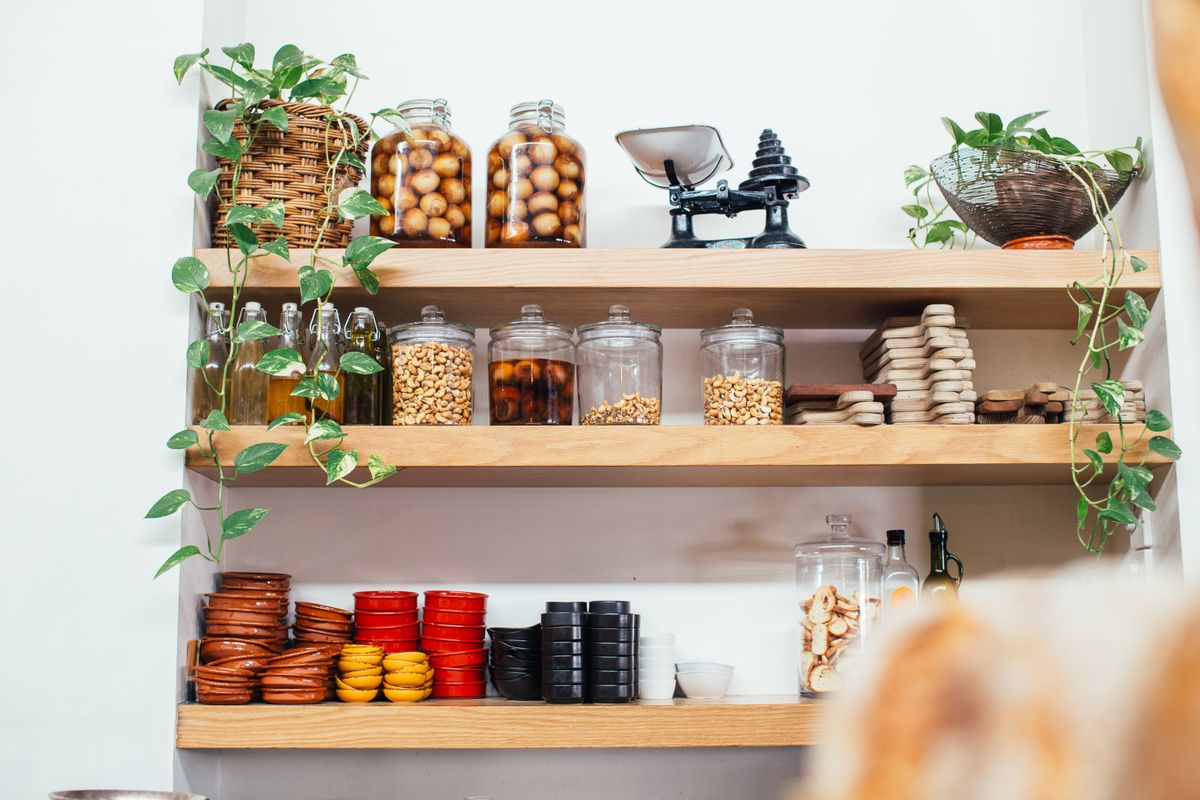
Reusable kitchen storage containers are most useful when they fit your routine and last through regular use. Choose sturdy containers with lids that are easy to clean and keep track of. Before replacing your existing containers, check whether they are still in good condition and suitable for the foods you store.
Why Airtight Containers Keep Food Fresher
Airtight containers help protect dry goods from moisture and outside air. In Lebanon’s humid summer months, especially along the coast, a reliable seal is useful for storing rice, bulgur, lentils, flour, coffee, nuts and spices.
When choosing airtight containers, look for a well-fitting lid and a silicone or rubber gasket. Snap clips, screw lids and other sealing mechanisms can help hold the lid securely in place. However, the appearance of a lid alone does not prove it is airtight: check the product description and make sure the seal is clean, undamaged and properly fitted.
Airtight does not automatically mean leak-proof. For soup, salad dressing or other liquids you carry to work, choose a container specifically labelled leak-proof and follow its carrying instructions. A container designed for dry pantry storage may not be suitable for liquids in a bag.
Clear food storage containers also make everyday organisation easier. You can see when the lentils are running low or whether you already have enough rice before buying another bag. Label each container with the contents and the original best-before date, and use older supplies first.
Choosing the Right Sizes and Shapes
The best kitchen storage containers come in sizes you will actually use. Rather than buying one size for everything, choose a small selection for different jobs:
-
Small containers: portions of hummus, toum, dressings, nuts or snacks.
-
Medium containers: individual lunches, leftover meals and prepared ingredients.
-
Large containers: family portions or dry ingredients such as rice, bulgur and pasta.
Check capacity in millilitres or litres alongside the container’s dimensions. A one-litre container does not hold one kilogram of every ingredient: rice, flour and pasta take up different amounts of space for the same weight.
Square and rectangular containers generally fit closely together, making them useful for narrow fridge shelves and kitchen cupboards. Round containers can be convenient for dips, mixing and serving. Choose the shape that works best with your available space.
Depth matters too. Shallow containers suit foods you want to keep in a single layer, while tall containers can make use of cupboard height for spaghetti or dry ingredients. Measure your shelf height before buying.
Finally, check whether the containers are stackable when full and nestable when empty. These are different features, and a set that offers both can help keep a compact kitchen organised.
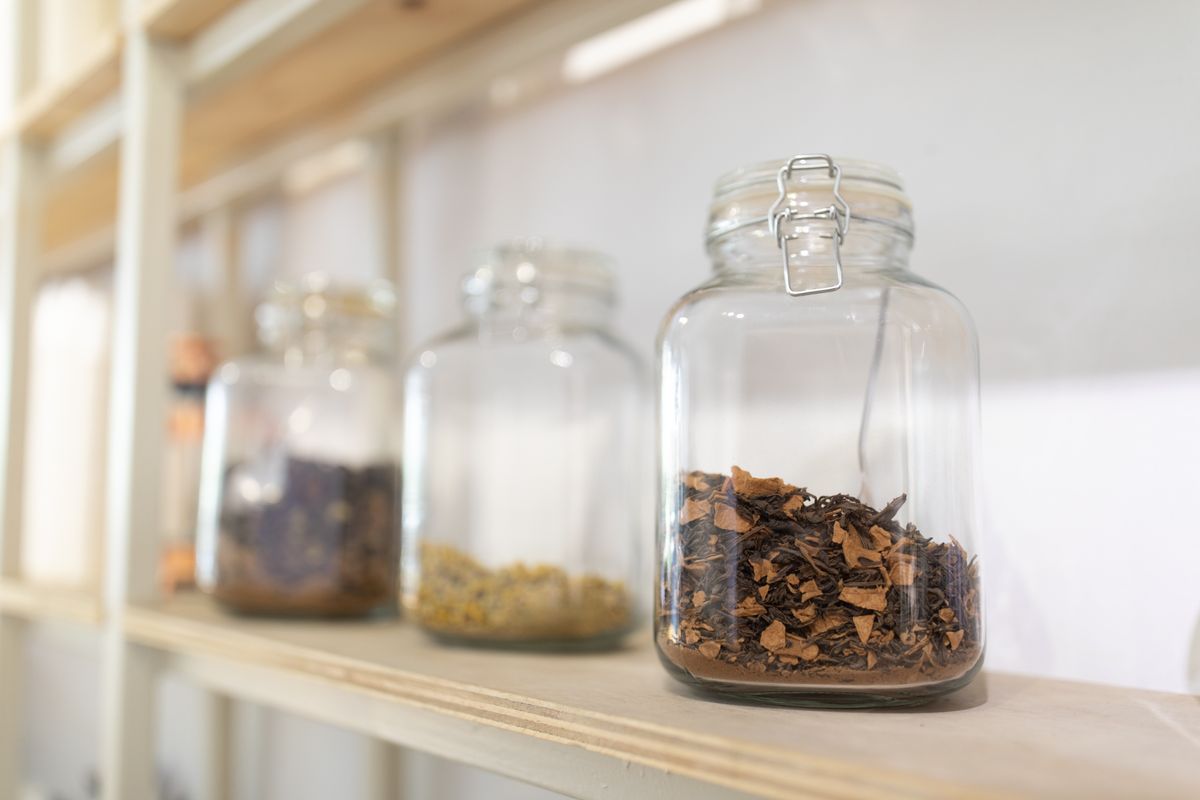
If you are building your kitchen storage collection, start with the containers you need most: a few for everyday leftovers, a lunch container and airtight containers for your most-used dry ingredients. Add more as you discover what works in your kitchen.
Stackable and Space-Saving Designs
In a compact kitchen, well-designed storage containers can make cupboards and fridge shelves easier to organise. Look for containers that stack securely when full and nest inside one another when empty.
Keep heavier containers at the bottom and avoid stacks that make everyday items difficult to reach. A flat lid can help, but the base of the container above should sit securely without sliding.
Interchangeable lids are convenient when a range offers them. However, containers with the same shape do not necessarily share the same lid size. Check compatibility before buying, and store matching lids together in a small basket or drawer divider.
Clear bodies help you identify leftovers and check your pantry supplies without opening every container. For rice, lentils, bulgur and other regularly used ingredients, choose sizes that are easy to lift and return to the shelf.
Care and Safety Considerations
Before using kitchen storage containers, check whether the base and lid are labelled dishwasher safe, microwave safe and freezer safe. These features vary between products, even when the containers look similar.
Use only glass containers specifically approved for freezing. Being made from tempered or borosilicate glass does not, by itself, confirm that a particular container is freezer safe. Follow the manufacturer’s instructions and avoid sudden temperature changes.
For plastic containers, follow the stated temperature limits and dishwasher placement instructions. Replace containers with cracks, damaged closures or warping that prevents a proper seal. Ordinary stainless steel containers should not go in the microwave.
Clean lids and seals carefully. If the silicone gasket is designed to be removable, take it out as instructed to wash underneath, then dry it thoroughly before refitting. Do not force out a fixed seal.
Bamboo lids need separate attention from glass bases. Follow their care instructions, avoid prolonged soaking and let them dry fully. Keep bamboo lids out of the microwave and oven.
When freezing food, leave the headspace recommended for the container and its contents, particularly for liquids that expand as they freeze. Use a label with the contents and date so meals are easier to identify later.
Building the Best Kitchen Storage Containers Set for Your Home
The best kitchen storage containers set is one that fits your meals, cupboards and daily routine. Start with a few useful sizes rather than a large bundle containing pieces you rarely use.
For a Lebanese household, that could mean small containers for hummus and snacks, medium containers for work lunches, and larger airtight containers for rice, bulgur and lentils. Choose microwave-safe glass where you reheat food and lightweight containers where carrying convenience matters.
Our 3-Piece Borosilicate Glass Food Storage Set with Bamboo Lids is one option for everyday food storage. Compare its sizes and care instructions with your needs before choosing your set.
For cupboard, drawer and household organisation beyond food storage, explore European Household’s Storage & Organization collection.
Frequently asked questions
Are glass or plastic containers better for the kitchen?
Glass storage containers resist stains and odours and are useful for leftovers and reheating when labelled microwave safe. Plastic food storage containers are lighter and convenient for work lunches, school snacks and everyday carrying. Many households benefit from keeping both.
What makes a container airtight?
An airtight container has a lid that seals securely, often using a silicone or rubber gasket. Check the product description rather than relying on appearance alone. Airtight containers help protect dry ingredients such as rice, bulgur and coffee from outside air and moisture. For carrying liquids, look specifically for a leak-proof rating.
Does BPA-free mean a plastic container is microwave safe?
No. BPA-free and microwave safe describe different things. Choose containers intended for food storage, and only heat them if the manufacturer labels them microwave safe. Check the lid’s instructions too, as these may differ from those for the base.
How do I stop containers from taking over my cupboard?
Choose a few useful sizes and check whether they stack securely when full and nest when empty. Keep matching lids together in a basket or drawer divider. Containers with the same shape do not necessarily have interchangeable lids, so confirm compatibility before buying.
Can I put storage containers in the freezer?
Only use containers labelled freezer safe, including glass ones. Tempered or borosilicate glass alone does not guarantee freezer suitability. Follow the manufacturer’s instructions, leave the recommended space for food to expand and avoid sudden temperature changes.


