






Key takeaways
- There is no single best material: stainless steel, nonstick and cast iron each suit different cooking styles and foods.
- Stainless steel is versatile and hard-wearing, but it needs good technique and preheating to stop food sticking.
- Nonstick makes eggs and delicate foods easy and cleanup simple, and it lasts longest when you keep the heat moderate and skip metal tools.
- Cast iron retains heat well. Bare cast iron needs maintained seasoning and thorough drying, while enamelled cast iron has different care requirements.
- Match the pan to the task and care for it properly, and most kitchens are well served by a mix of two or three materials.
There is no single best cookware material for every kitchen. The right choice depends on what you cook, how hot you cook it, and how much upkeep you are happy to do. Stainless steel, nonstick and cast iron each do some things brilliantly and others poorly, so the smartest kitchens usually mix two or three of them.
This guide walks through how the main materials behave, where each one shines, and how to look after them so they last. By the end you should be able to look at your own cooking habits and pick the pans that suit you.
The Three Main Cookware Materials
Most home cookware falls into three familiar camps. Understanding how each one handles heat and food is the fastest way to choose well.
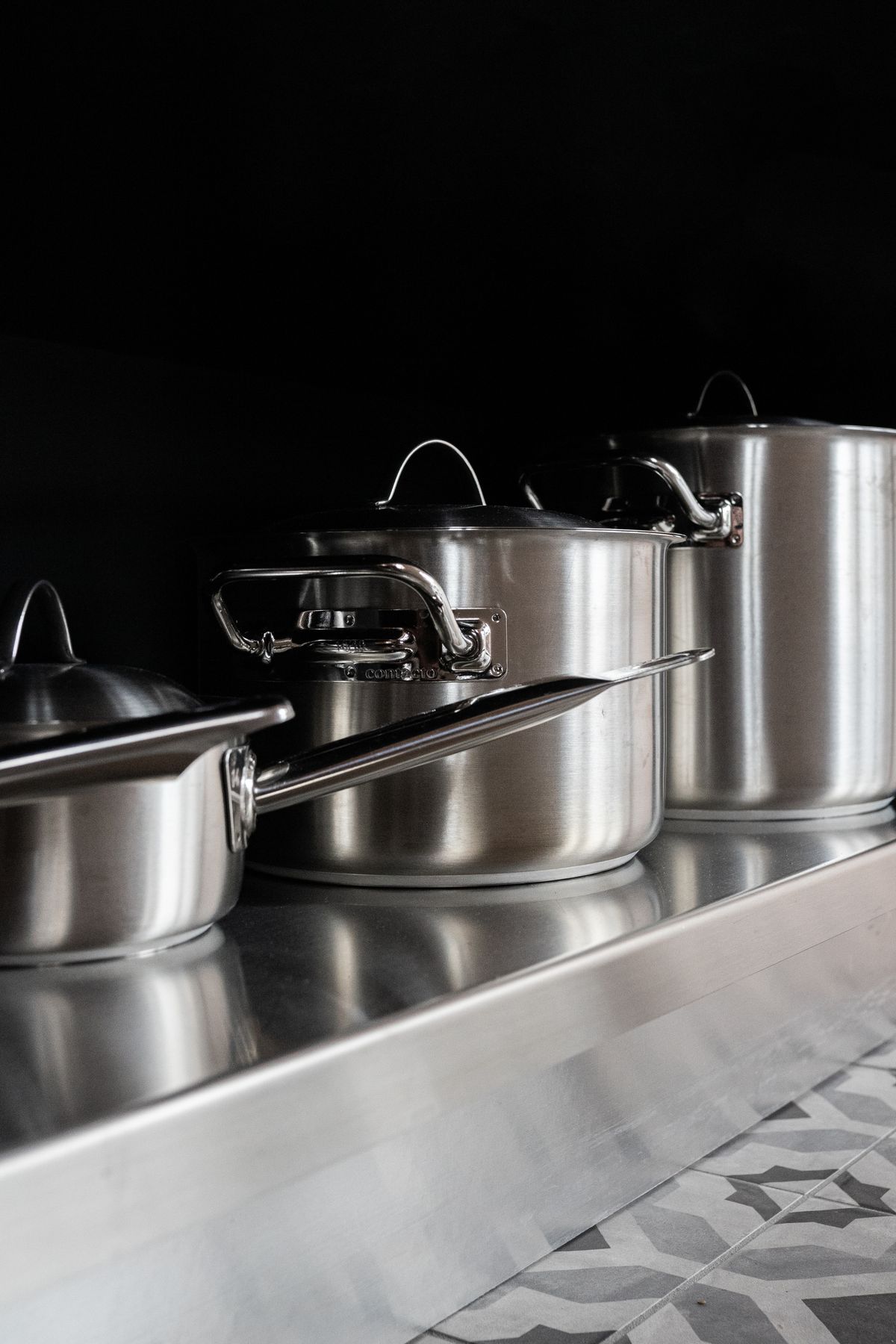
Stainless steel is a metal alloy prized for being tough, non-reactive and easy to clean. On its own, steel is a fairly poor conductor of heat, so better pans have a layer of aluminium or copper sandwiched in the base to spread heat evenly. This is often called a clad or encapsulated base.
Nonstick usually means a metal pan, commonly aluminium, coated with a slick surface so food slides off easily. The best known coating is PTFE. There are also ceramic-style nonstick coatings that work in a similar way for the cook.
Cast iron is a heavy, solid metal that heats slowly but holds heat for a long time. It comes bare, which needs a layer of baked-on oil called seasoning, or coated in enamel, which does not need seasoning and is easier to clean.
Stainless Steel vs Nonstick vs Cast Iron
Here is how the three compare on the things that matter day to day.
Heat and cooking performance
Cast iron is the heat champion for retention. Once it is hot, it stays hot, which makes it excellent for searing steak or shallow frying where you do not want the temperature to drop when food goes in. Stainless steel with a clad base heats fairly quickly and responds well when you turn the burner up or down, so it suits sauces and anything that needs control. Nonstick is best kept at low to medium heat, so it is less suited to hard searing but ideal for gentle cooking.
Sticking and cleanup
Nonstick wins clearly here. Eggs, pancakes and fish release with almost no fat and wipe clean easily. Stainless steel can stick if you rush it, though with a hot pan and a little oil, food releases well once it is properly browned. Cast iron becomes more nonstick as its seasoning builds up, but it takes time and care to reach that point.
Reactivity with food
Stainless steel is non-reactive, so it will not affect the taste of acidic foods like tomato or lemon. Bare cast iron is reactive and can pick up a metallic taste with very acidic dishes, which is one reason enamelled cast iron exists. Nonstick is non-reactive too.
Weight and everyday handling
Cast iron is heavy, which some cooks love for stability and others find awkward, especially a large pan full of food. Stainless steel sits in the middle. Nonstick, usually aluminium based, is the lightest and easiest to lift and manoeuvre.
Pros and Cons for Everyday Cooking
To make the trade-offs easy to scan, here is a quick summary of each material for a typical home kitchen.
Stainless steel
- Strengths: durable, non-reactive, oven-safe, works with most cooktops, easy to keep looking good.
- Weaknesses: needs good technique to stop sticking, and cheaper single-layer pans heat unevenly.
Nonstick
- Strengths: durable, resistant to rust and useful for browning and sauces. Check each model’s cooktop compatibility and oven rating, including any limits for handles and lids.
- Weaknesses: the coating wears over time, dislikes very high heat and metal tools, and is less suited to hard searing.
Cast iron
- Strengths: superb heat retention, excellent for searing and baking, long lasting when cared for.
- Weaknesses: heavy, slow to heat, needs seasoning or careful cleaning, and can react with acidic foods if bare.
Safe Use and Durability
Start with the manufacturer's instructions for the specific pan. Check its coating, compatible cooktops, temperature limits and cleaning requirements rather than relying on the material name alone.
For nonstick cookware, avoid preheating an empty pan, use low to medium heat and ventilate the kitchen. Follow the stated temperature limit and use utensils suitable for the coating. Health Canada’s cookware guidance explains these precautions.
For bare cast iron, avoid prolonged cooking or storage of acidic foods. Keep the pan dry and maintain its seasoning. Enamelled cast iron does not need seasoning on its enamelled cooking surface.
Stainless steel and cast iron can provide long service with suitable care. Nonstick coatings wear with use, so inspect the surface regularly and follow the manufacturer's replacement advice if it becomes damaged. Check handles, lids and attachments on every type of cookware.
Matching Cookware to Your Cooking Style
The best material is the one that fits how you actually cook. A few common patterns make the choice clear.
If you cook a bit of everything, a stainless steel frying pan or sauté pan can be a useful starting point for browning meat and making sauces. For recipes that move from stove to oven, check the manufacturer's oven-temperature limits for the pan, handle and lid.
If you cook eggs, pancakes or fish often, keep one good nonstick pan for those jobs. It saves oil, protects delicate food and makes breakfast far less stressful.
If you love a proper sear, or you bake things like cornbread and roast chicken pieces, cast iron rewards you with heat that does not fade when the food hits the pan.
If you have a small kitchen or limited storage, you do not need a huge set. A stainless saucepan, a nonstick frying pan and one cast iron piece cover most home cooking between them.
For anyone building a kitchen from scratch or replacing a tired pan, a small, well-chosen mix of these materials covers most home cooking without crowding your cupboards.
Care Tips to Extend the Life of Each Type
A little routine care keeps every material performing and looking good for far longer.
Caring for stainless steel
- Preheat the pan and add oil before food to reduce sticking.
- Let it cool a little before washing, as sudden temperature changes can warp thin pans.
- For stuck-on food, soak in warm soapy water, then use a non-scratch pad.
- To remove cloudy marks or rainbow tints, a specialist stainless cleaner or a paste of baking soda and water works well.
Caring for nonstick
- Use low to medium heat, avoid preheating the pan empty and follow its stated temperature limits.
- Use wooden or suitably heat-rated silicone or nylon utensils approved for the coating.
- Wash by hand with a soft sponge and mild detergent rather than harsh scourers.
- Replace the pan once the coating is heavily scratched or flaking, as it no longer performs as intended.
Caring for cast iron
- Hand-wash bare cast iron with warm water and a brush or sponge. A small amount of mild dish soap can be used; avoid soaking, then dry thoroughly.
- Dry it fully, ideally over low heat, so no moisture is left to cause rust.
- Rub a thin layer of cooking oil over the surface to maintain the seasoning.
- If rust appears, scrub it off, wash, dry and re-season with oil in a hot oven.
- Enamelled cast iron is easier: wash normally and avoid metal tools that can chip the enamel.
Good general food safety guidance from the FDA is a helpful companion to any cookware routine, since clean pans and safe handling go hand in hand in the kitchen.
Choosing the Right Cookware for You
Start with the two or three dishes you cook most, then pick materials that make those dishes easier: stainless steel for everyday versatility, nonstick for delicate foods and quick cleanup, and cast iron for high-heat searing and baking. A small, well-chosen mix will serve you better than a large set you rarely use fully.
Explore European Household’s Kitchen & Dining collection for your next kitchen purchase. Before ordering cookware, check the material, dimensions, cooktop compatibility and care instructions. Contact us if a detail you need is missing.
Frequently asked questions
What is the best cookware material for everyday cooking?
For most home cooks, a stainless steel pan handles the widest range of tasks, from searing to sauces. Many people add one nonstick pan for eggs and a cast iron piece for high-heat cooking.
Is nonstick cookware safe to use?
Use nonstick cookware according to its manufacturer's instructions. Avoid overheating or preheating it empty, ventilate the kitchen and use suitable utensils. Check the coating type and temperature limits for the specific product.
Can all cookware go in the oven?
No. Oven suitability depends on the complete product, including its coating, handle and lid. Check the manufacturer's stated oven rating and maximum temperature before use.
Why does food stick to my stainless steel pan?
Usually the pan is not hot enough or there is too little fat. Preheat the pan, add oil, and let food release naturally before turning it.
How do I make cookware last longer?
Match heat to the material, use suitable utensils, cool pans before washing, and dry them fully. Cast iron needs occasional re-seasoning, and nonstick prefers gentle sponges.


