








Key takeaways
- Choose educational toys that match the child’s age, interests and abilities.
- Building blocks, puzzles, craft supplies and pretend-play sets offer different opportunities to explore and learn.
- Hands-on toys can make screen-free play more inviting, especially when parents or siblings join in.
- Follow the manufacturer’s age guidance and check for sturdy construction, suitable parts and clear cleaning instructions.
- A useful educational gift does not need to be expensive. Start with activities the child already enjoys.
The best educational toys for kids are the ones that invite a child to build, imagine, sort or solve, then keep them coming back for more. This guide walks you through gift ideas by age, how to balance fun with screen-free play, and what to check for safety and durability, so you can pick something a child will genuinely enjoy.
Choosing a toy that teaches something does not mean choosing a dull one. A good educational toy feels like play first, with the learning tucked quietly inside. Whether you are shopping for a curious toddler, a school-age builder or a young artist, there is a thoughtful, useful option to suit them.
What Makes a Toy Educational?
An educational toy gives a child opportunities to practise skills through play, such as building, sorting, solving problems, creating stories or taking turns. Both open-ended toys and structured activities, such as puzzles and matching games, can offer useful learning experiences.
The American Academy of Pediatrics highlights the role of play in children’s development. What matters is how children engage with an activity and interact with others, rather than whether a toy carries an “educational” label.
You do not need a label that says "educational" to get these benefits. A box of blocks, a set of pretend cooking tools or a stack of art supplies all count, because they leave room for the child's own ideas.
Toys That Build Creativity and Problem-Solving
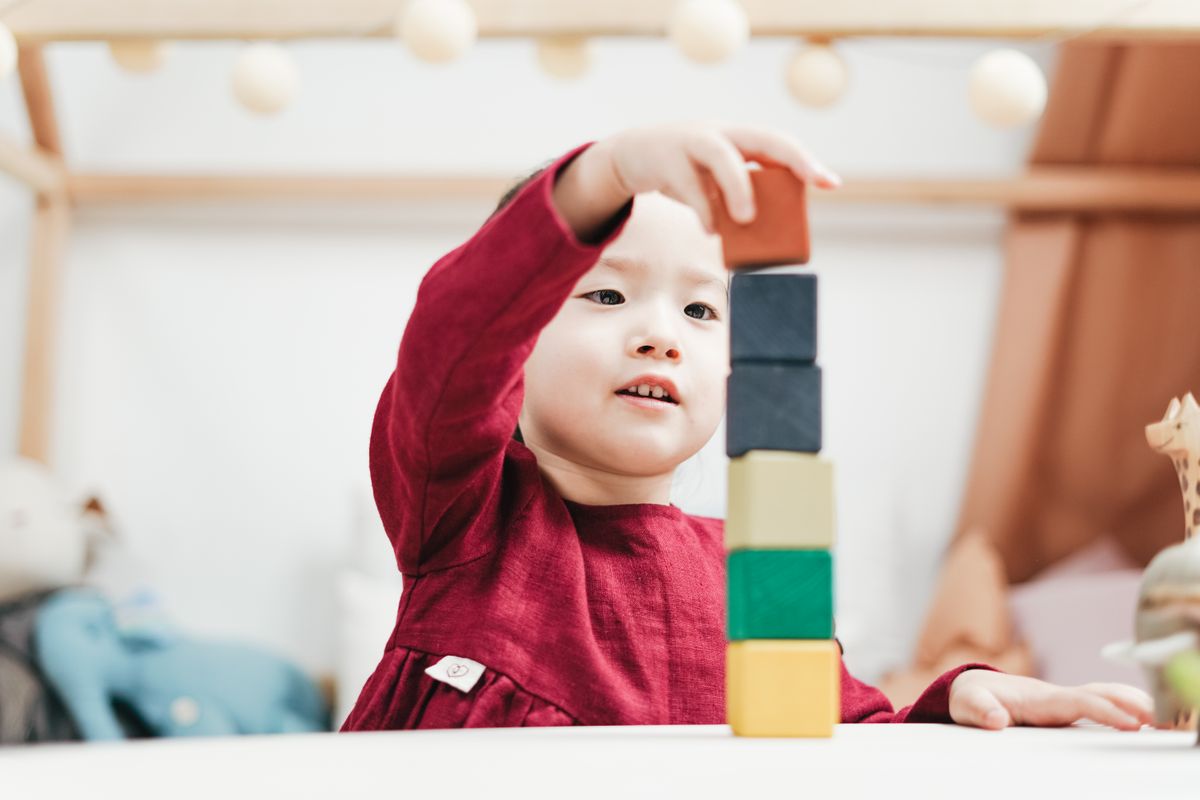
Open-ended toys give children room to experiment because there is more than one way to use them. Building blocks are a useful example: the same pieces can become a tower, a bridge or an imaginary town.
Construction toys reward experimentation. A child decides what to make, tests whether it stands up, and rebuilds when it topples. That loop of trying, failing and adjusting is problem-solving in miniature.
Other strong picks in this group include:
- Wooden or plastic building blocks for towers, houses and whatever a child dreams up next.
- Jigsaw puzzles that build patience and spatial thinking, with difficulty rising as the child grows.
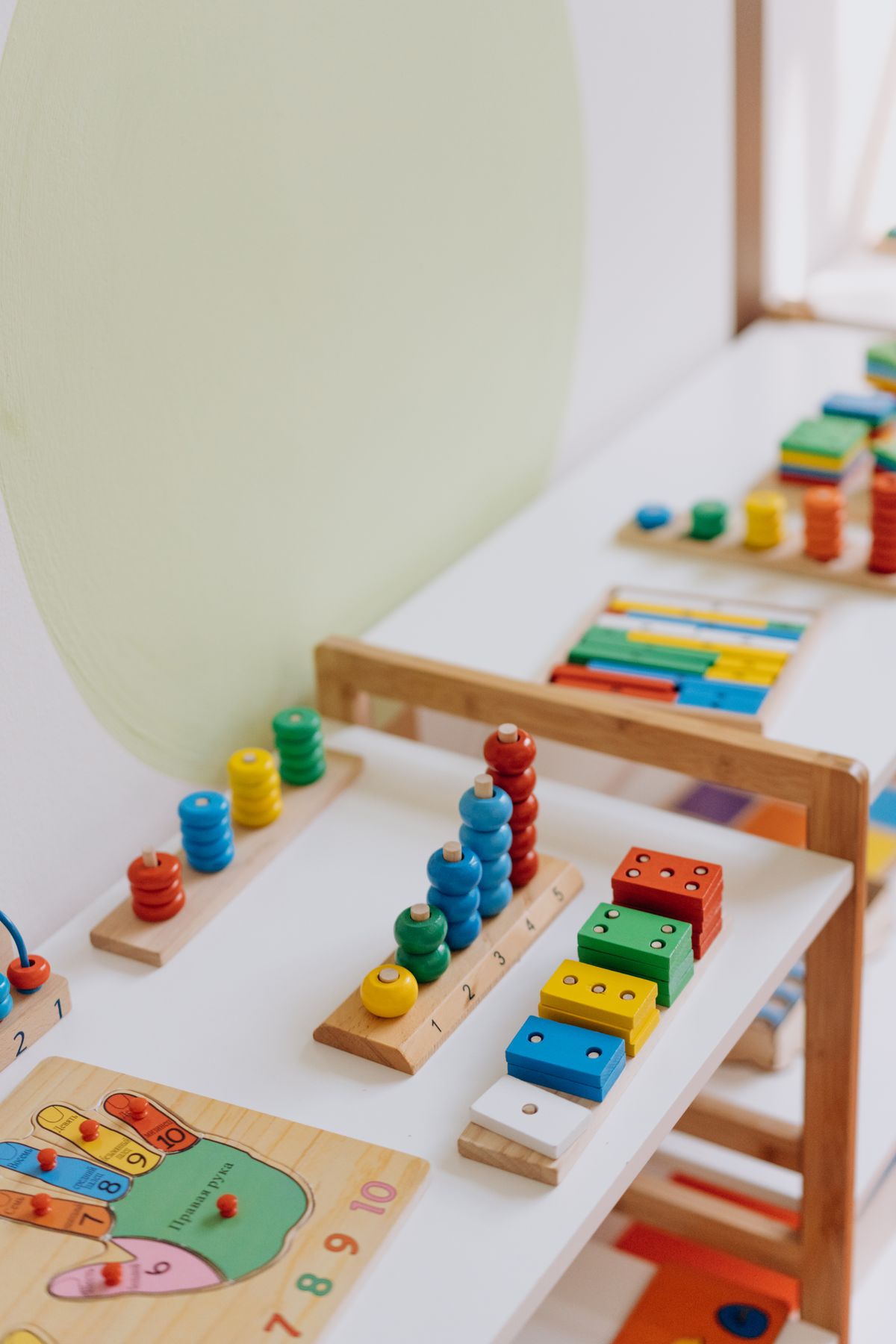
- Shape sorters and stacking toys for younger children learning shapes, sizes and order.
- Art and craft kits that turn a blank page into a story the child controls.
- Pretend-play sets such as toy kitchens or doctor kits, where children invent whole scenarios.
If you are unsure where to start, a versatile building set is rarely a wrong choice. It grows with the child and suits solo play or a group of siblings and friends.
Age-by-Age Educational Toys for Kids
Matching a toy to a child's stage is the single most useful thing you can do, both for enjoyment and safety. A toy that frustrates a toddler or bores an older child ends up unused. The play recommendations from the American Academy of Pediatrics stress that the right kind of play shifts as children develop (AAP, The Power of Play, 2018). Here is a simple guide.
Babies and Young Toddlers (0 to 2 years)
For babies, choose toys labelled for their age that invite looking, reaching and grasping during supervised play. As children grow into toddlerhood, age-appropriate stacking cups, large blocks and simple shape sorters offer more ways to explore. Choose easy-to-clean toys without small loose parts, and follow the manufacturer’s age guidance.
Preschoolers (3 to 5 years)
Imagination takes off here. Pretend-play sets, larger building blocks, large-piece puzzles, matching games and early art supplies can suit this age. Check each product’s recommended age before choosing. Children start telling stories through their toys, so pieces that support role-play work well.
School-Age Children (6 to 9 years)
Now children enjoy a challenge. Detailed construction sets, science and craft kits, strategy board games and more complex puzzles keep them engaged. Toys that produce a finished result, like a model or a painting, give a satisfying sense of achievement.
Older Children (10 and up)
Older kids appreciate depth and a bit of independence. Advanced building sets, coding or robotics kits, detailed art projects and hobby-style crafts hold their interest and let them develop a real skill over time.
When in doubt, check the age range printed on the packaging. It reflects both the challenge level and the safety of the parts inside.
Balancing Screen-Free and Fun
Hands-on toys give children opportunities to handle objects, experiment and play together. Making a few appealing activities easy to reach can help families create more space for screen-free play in their daily routine.
The trick is to make screen-free play just as appealing as a screen. Toys that let a child create something, compete in a friendly game or build alongside a parent tend to win attention on their own.
A few ideas that reliably pull children away from a device:
- A shared board game for family evenings at home.
- A craft project the child can finish and proudly display.
- A building challenge, such as "make the tallest tower that still stands."
- An outdoor toy for the balcony, garden or a nearby park on a mild afternoon.
You do not have to ban screens to make a difference. Simply having an inviting, ready-to-go toy nearby makes the choice to play an easy one.
Durable, Safe Toys for Everyday Play
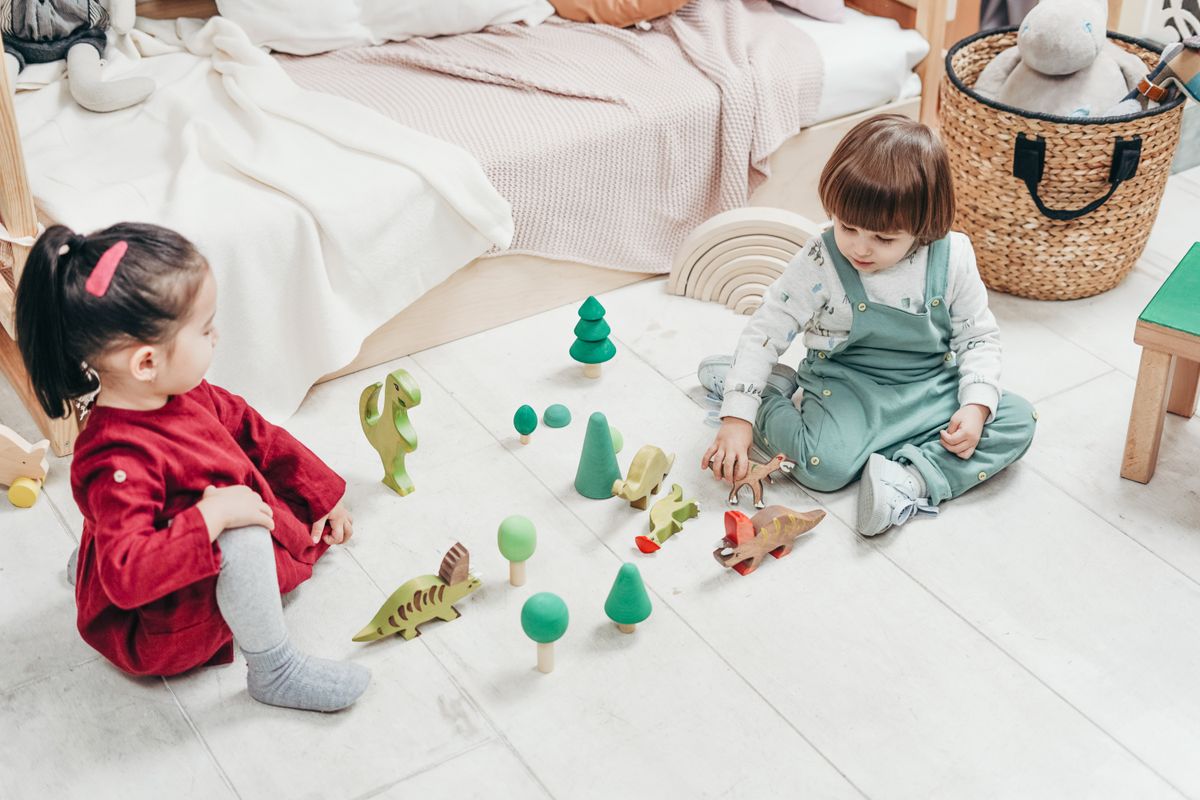
A safe, sturdy toy is a better gift than a fragile clever one, because it survives real, daily use. Everyday play is rough, and a toy that chips, breaks or falls apart quickly can become both a disappointment and a hazard. A little care at the point of buying goes a long way.
Here is what to check before you choose:
- Age suitability. Follow the recommended age on the box, especially the small-parts warning for children under three.
- Solid construction. Give the toy a gentle test. Firmly attached pieces and no sharp edges are what you want.
- Easy to clean. Toys that wipe down or wash easily stay usable for longer, which matters most for younger children.
- Sensible size. Pieces should be too big to swallow for the youngest players.
- Clear labelling. Read any assembly or care notes so the toy is set up and maintained correctly.
Caring for toys extends their life, too. Store loose pieces in a labelled box, wipe surfaces regularly and check now and then for any loose or worn parts. A tidy, well-kept toy is more inviting to return to.
Budget-Friendly Options for Every Family
Educational value does not depend on price. Some of the most effective toys for learning are also the most affordable, because what matters is how much open-ended play they offer, not how much they cost.
Consider these dependable, wallet-friendly picks:
- Wooden or plastic blocks offer endless building for a modest price.
- Shape sorters and stacking toys cover early learning without fuss.
- Simple puzzles grow in difficulty as your child does.
- Basic craft supplies such as paper, crayons and safe glue fuel hours of creativity.
- Classic card and board games bring the whole family together at very little cost.
A smart approach is to buy fewer, better toys rather than many that are quickly forgotten. One versatile building set or a good craft kit often earns far more play than a shelf of single-use novelties.
Bringing It All Together
The most loved educational gift is usually the simplest match: a toy that fits the child's age, invites their own ideas and stands up to daily play. Start with what the child already enjoys, whether that is building, drawing, pretending or solving, then choose a well-made toy in that direction.
Looking for an educational gift in Lebanon? Explore European Household’s Learning & Development Toys, Pretend Play and Baby & Kids collections. Check each product’s recommended age, dimensions and what is included, and contact us if you need help choosing.
Frequently asked questions
What counts as an educational toy?
An educational toy is any toy that encourages a child to think, create or solve a problem rather than just watch. Blocks, puzzles, shape sorters, craft kits and pretend-play sets all qualify because the child drives the play.
At what age can children start using educational toys?
Learning through play starts from birth through interaction with caregivers. Choose toys labelled for the baby’s age, then introduce activities such as stacking, sorting and simple puzzles as their skills develop.
Are educational toys better than screen time?
Hands-on toys offer opportunities to build, move and interact with other people. Age-appropriate digital activities can also have value, particularly when shared with an adult. Make room for physical play, conversation and creative activities alongside any screen use.
How do I choose a safe educational toy?
Check the age recommendation, avoid small loose parts for children under three, and pick sturdy, easy-to-clean materials. Read the label for any care or assembly notes before you buy.
Do educational toys have to be expensive?
No. Some of the most useful toys, such as wooden blocks, sorting sets and simple craft supplies, are also among the most affordable. Value comes from how much open-ended play a toy offers, not its price.


