








Key takeaways
- Porcelain and stoneware can both suit everyday dining. Compare the weight, finish and care instructions; melamine is a lightweight option for serving cold food outdoors.
- Never microwave melamine or use it for hot food and drinks. Follow the manufacturer’s instructions and replace damaged pieces.
- A versatile everyday set in a neutral colour is the smart foundation, since you can layer in accent pieces later without replacing everything.
- Check the label for dishwasher-safe and microwave-safe marks before you buy, because these vary by material and even by product line.
The right dinnerware set comes down to how you actually eat: your everyday material should be tough and easy to clean, while a finer set can wait in the cupboard for guests. Once you know the differences between porcelain, stoneware and melamine, choosing dinnerware sets becomes far less overwhelming, and you avoid paying for pieces that do not fit your daily routine.
This guide walks you through the common materials, how to balance everyday plates against special-occasion pieces, and how to build a table you enjoy setting without spending more than you need to.
What Are the Main Dinnerware Materials?
The three materials you will meet most often are porcelain, stoneware and melamine. Each is made differently, which is why they feel, look and behave so differently at the table. Porcelain is a vitrified pottery with a fine-grained, usually translucent white body, first made in China during the Tang dynasty (Britannica). Stoneware, by contrast, is fired until it becomes hard and opaque.
Understanding these basics helps you match a material to a room in your home and a moment in your week.
Porcelain
Porcelain is prized for its smooth, refined surface and its lightness. Because it is fired to a dense, glassy body, it resists stains and holds a clean white background that makes food look inviting. It suits dinner parties, holidays and any table where you want a polished look.
Porcelain can be suitable for everyday use as well as special occasions. Durability varies by product and design, so check the manufacturer’s care guidance. Like other ceramic dinnerware, it can chip if knocked against hard surfaces.
Stoneware
Stoneware is fired at a high temperature until it vitrifies into a nonporous, opaque body, which gives it a naturally sturdy feel (Britannica). Its substantial feel makes it popular for everyday dining, but thickness alone does not guarantee better resistance to chips or knocks
Stoneware also carries a warmer, more relaxed look. Earthy glazes and matte finishes fit casual kitchens and family meals.
Melamine
Melamine tableware is lightweight and resistant to breakage, making it practical for picnics and outdoor dining. It can still crack or chip if dropped or handled roughly. Choose products intended for food contact and follow their care instructions.
There is one firm rule with melamine: keep it out of the microwave. We cover the safety details in the care section below.
Everyday Sets Versus Special-Occasion Pieces
Most homes benefit from two tiers of dinnerware: a hard-working everyday set and a smaller collection reserved for guests or celebrations. Your everyday set takes the daily wear of quick meals, dishwasher cycles and busy hands, so durability and easy cleaning matter most here.
Think about how often you truly host. If big gatherings are rare, a modest set of finer plates is plenty, and you can store them safely between uses.
Your everyday pieces should match your real habits. A household that eats large salads and pasta wants generous bowls and wide plates, while a coffee-and-toast morning routine leans on mugs and side plates. Buying for the meals you actually make keeps your cupboards useful rather than crowded.
For special occasions, porcelain’s refined finish can lift a holiday table, although many porcelain sets also suit daily meals. If you keep a separate set for guests, store it with felt separators or soft cloth between plates to protect the edges.
How Do You Mix and Match for a Stylish Table?
Mixing materials works best when one element stays constant, usually colour. Pick a neutral base such as white, cream or a soft grey for your main plates, then layer in texture and interest through smaller pieces. A shared colour family is what keeps a mixed table looking planned rather than accidental.
This approach also stretches your budget, since you can refresh a look with a few accent bowls instead of a whole new set.
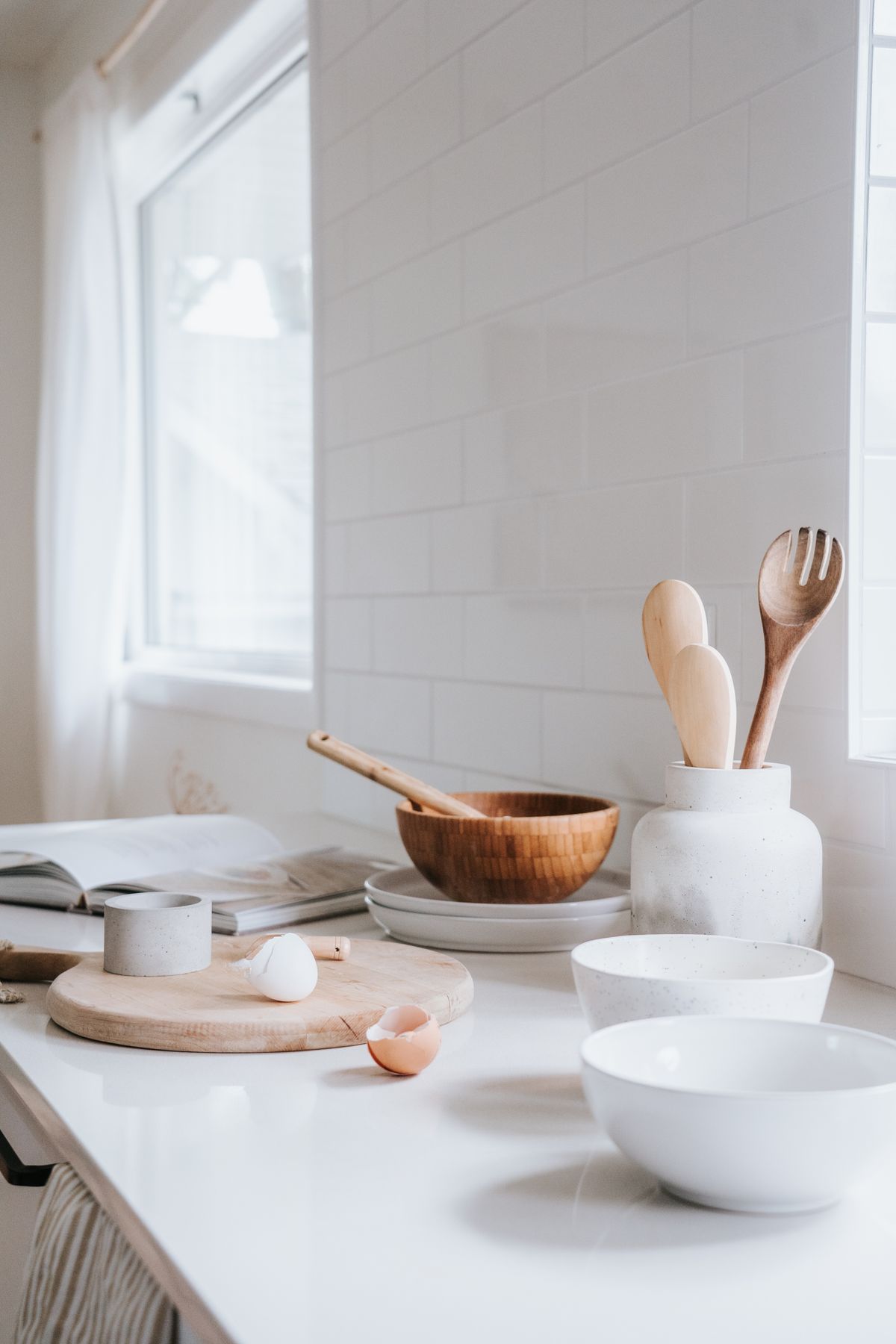
Here are simple ways to combine pieces with confidence:
- Keep dinner plates neutral, then add colour through side plates or bowls.
- Pair a matte stoneware base with a glossy accent piece for contrast in texture.
- Repeat one shade across mismatched items to tie the setting together.
- Use natural materials such as wood or linen underneath to bridge different plates.
The goal is a table that feels gathered with care. A single repeated colour or a shared shape does more work than trying to match every item exactly.
Durability and Dishwasher Considerations
Before buying, check the product label, packaging or manufacturer’s instructions for dishwasher and microwave suitability. Many porcelain and stoneware ranges are designed for both, but care requirements vary between products and decorative finishes.
For melamine, use the dishwasher only if the manufacturer permits it, and follow any rack-placement instructions. Never heat food or drinks in melamine tableware in a microwave, as advised by the FDA.
Use melamine for cold or room-temperature food. Germany’s Federal Institute for Risk Assessment (BfR) recommends avoiding contact with hot food and drinks and replacing damaged pieces.
For any material, avoid knocking plates together during stacking or washing. Avoid sudden temperature changes, and choose cleaning products that suit the manufacturer’s care instructions.
Choosing Dinnerware Sets on a Budget
Start with a neutral everyday set, then add pieces over time rather than buying everything at once. Dinnerware is commonly sold in service for four, six or eight, so match the size to your household and how often you host. A neutral foundation is the most flexible starting point because it pairs with almost any accent piece you add later.
Open-stock buying, where you purchase individual pieces rather than full sets, is a budget-friendly way to grow a collection. It lets you replace a broken plate without repurchasing a whole set, and it helps you add just the bowls or mugs you actually run short of.
A practical order for building up looks like this:
- Buy a durable everyday set in a neutral colour.
- Add a few accent bowls or side plates for variety.
- Introduce a small set of finer plates for guests when your budget allows.
- Fill gaps with open-stock pieces as needs appear.
At European Household, our kitchen and dining range includes everyday dinnerware, drinkware and serving pieces that suit this build-as-you-go approach, so you can start with the essentials and layer in extras when the time is right.
Putting It All Together
The simplest next step is to decide which meals your home makes most often, then choose one durable everyday set that fits those habits before adding anything decorative. From there, a couple of accent bowls and, later, a finer set for guests will round out a table you enjoy using every day.
When you are ready, browse our kitchen and dining collection to find everyday plates, bowls and drinkware that work for the way you cook and gather at home.
Frequently asked questions
What material is best for everyday dinnerware sets?
Both porcelain and stoneware can suit everyday meals. Compare the weight, shape, durability information and cleaning instructions for the specific set. Choose pieces that fit your usual meals and are comfortable to handle.
Is melamine dinnerware safe to use?
Melamine tableware intended for food contact can be used for cold or room-temperature food according to the manufacturer’s instructions. Do not microwave it or use it for hot food and drinks. Replace pieces with damaged surfaces.
Can I mix porcelain and stoneware on the same table?
Yes. Choose one neutral base colour, then mix materials and add texture through bowls, side plates or serving dishes. A shared colour family keeps a mixed table looking intentional rather than mismatched.
How many place settings should a starter dinnerware set have?
Sets are usually sold in service for four, six or eight. For a small household, service for four to six covers daily meals. Buy a slightly larger set if you host guests often, or add extra open-stock pieces later.


