








Key takeaways
- A balcony that gets four or more hours of sun is enough to grow herbs and leafy greens; fruiting vegetables like tomatoes need around eight hours.
- Match the pot to the plant: herbs and radishes grow well in one-gallon containers (about 4 litres), lettuce and carrots in three-gallon containers (about 11 litres), and tomatoes or peppers in five-gallon pots (about 19 litres) or larger.
- Every planter needs drainage holes. Check the soil daily during a Lebanese summer and water according to the plant’s needs; hot or windy conditions can dry pots out faster.
- Railing planters, tiered stands and vertical setups let you grow far more in a small balcony without cluttering the floor.
- A basic starter kit is simple: a few pots with drainage, a hand trowel, pruners, a watering can and quality potting mix.
You do not need a garden to grow your own herbs, flowers or vegetables. A sunny balcony, a few well-chosen planters and a handful of simple tools are enough to get started, and this guide walks you through exactly what to buy and why. Balcony gardening in Lebanon suits apartment living well, and it turns an ordinary outdoor corner into a small, productive green space.
Below you will find how to choose planters, which tools matter, how to make the most of limited space, and how to keep everything healthy through a hot summer.
Why a Balcony Is Enough Space for Gardening in Lebanon
Many people assume you need a yard to grow anything worthwhile. In reality, containers on a balcony can produce fresh basil, mint, parsley, salad leaves, chillies and flowering plants throughout much of the year.
The main thing that matters is light. According to Colorado State University Extension, flowering plants and fruiting vegetables need at least eight hours of full sun each day, root vegetables do best with six hours, and leafy vegetables and many herbs should receive at least four hours of sun. That range is good news for apartment dwellers. A bright, south or west facing balcony can easily support tomatoes and peppers, while a partly shaded spot is still fine for mint, parsley and lettuce.
Balcony growing also brings your plants close to daily life. Herbs are within reach while you cook, and watering becomes a quick part of your morning routine rather than a chore. For renters, containers are portable, so your garden moves with you.
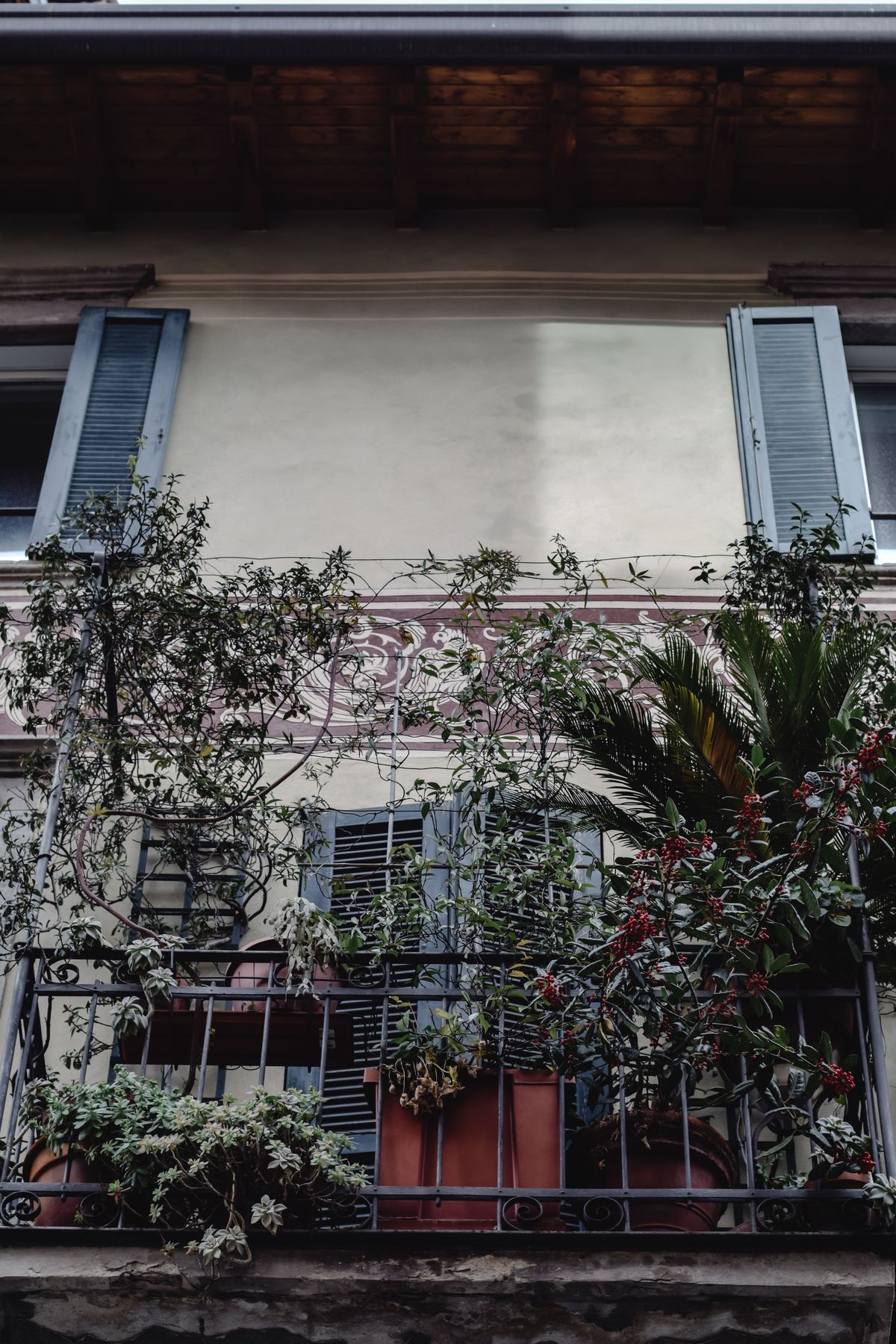
Choosing the Right Planters and Pots
The planter you choose affects how well your plants grow, so it is worth a little thought before you buy.
Match the size to the plant
A common mistake is planting something large in a pot that is far too small. Roots need room, and a cramped container dries out and struggles quickly. As a simple guide from the same Colorado State University resource: tomatoes, peppers and cucumbers do best in five-gallon containers (about 19 litres) or larger, beets, carrots and lettuce suit three-gallon containers (about 11 litres), and most herbs and radishes grow well in containers of one gallon (about 4 litres) or less.
If you are unsure, choose slightly larger rather than smaller. A bigger volume of soil holds moisture longer, which helps a great deal during dry spells.
Drainage is not optional
Every planter needs holes at the base so excess water can escape. Without drainage, water collects at the bottom, roots sit wet, and the plant slowly rots. If you fall in love with a decorative pot that has no holes, use it as an outer cover and plant into a smaller pot with drainage that sits inside. Illinois Extension offers helpful guidance on container drainage options if you want to read further.
Materials for sunny or shaded balconies
Different pot materials behave differently, especially in the heat:
- Terracotta and unglazed clay look lovely and let soil breathe, but they dry out faster, which suits shaded balconies better than blazing ones.
- Plastic and resin are light, hold moisture longer and are easy to move, making them practical for sunny, exposed balconies and for railing setups.
- Glazed ceramic sits between the two and adds colour, though it can be heavy.
For a hot, sunny balcony, lighter-coloured pots reflect some heat and keep roots a little cooler.
Essential Garden Tools for Balcony Growers
You do not need a shed full of equipment. A small, well-chosen kit covers almost everything.
- Hand trowel: for filling pots, planting and moving soil. This is the tool you reach for most.
- Pruners or garden scissors: for trimming, harvesting herbs and removing dead leaves. Clean cuts keep plants healthier than tearing by hand.
- Watering can: a can with a fine rose spreads water gently so it does not wash soil away. A long spout helps you reach the back of a crowded shelf.
- Hand fork or cultivator: for loosening the top layer of soil and mixing in feed.
- Gloves: to keep your hands clean and protected while potting.
A small hand sprayer is a nice extra for misting herbs and seedlings. If you already own basic DIY tools at home, a drill can be handy for mounting brackets and railing hooks. European Household offers useful tools for balcony gardening, including hand tools, pruning shears and gardening gloves.
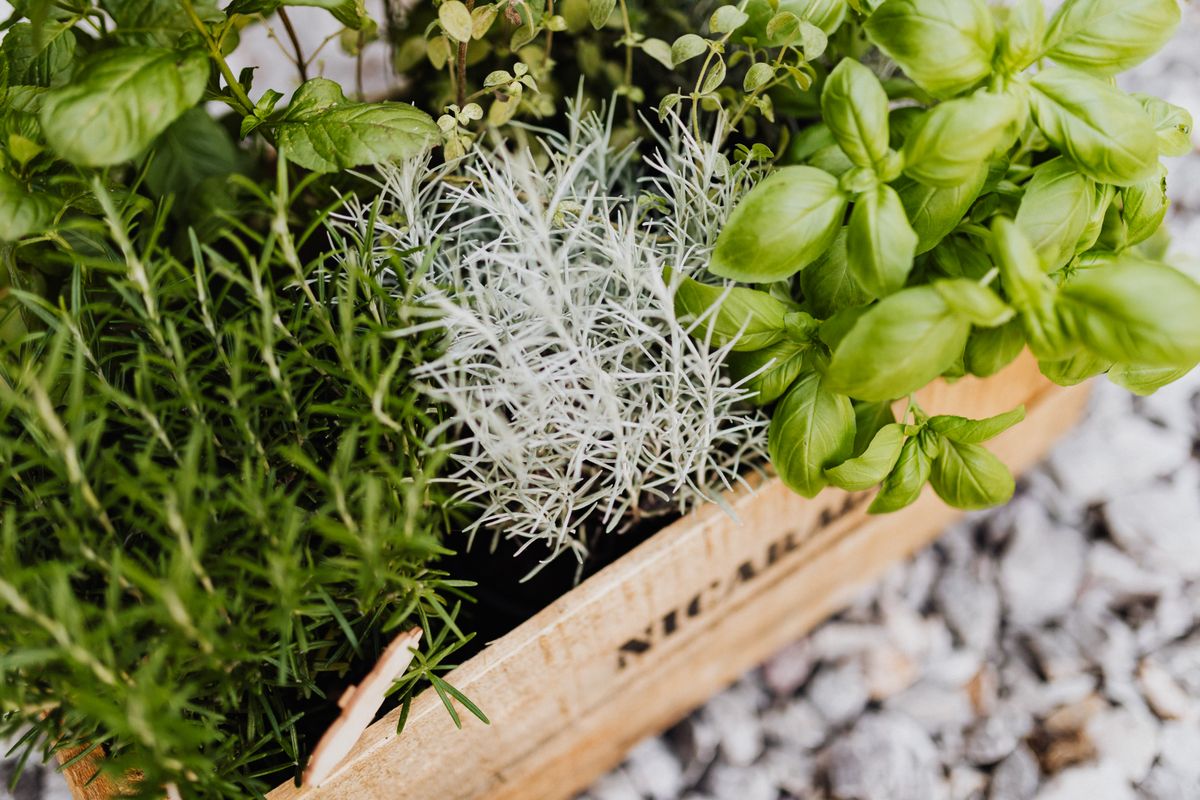
Practical Setups for Small Balconies
Limited floor space is the usual challenge in an apartment, and the answer is to grow upward and outward rather than just across the ground.
Railing planters
These hook or clamp over a balcony railing and hold a row of herbs or flowers without using any floor space at all. They are ideal for a compact herb garden right outside the kitchen. Check that the planter fits the width of your railing and sits securely before filling it.
Tiered plant stands
A stand with two or three shelves lets you keep several pots in the footprint of one. Place taller, sun-loving plants on top and shade-tolerant ones below. Stands also lift pots off a hot floor, which helps in summer.
Vertical and wall solutions
Wall-mounted pockets, hanging pots and stacked planters turn an empty wall into growing space. Trailing plants such as strawberries and cascading flowers look especially good this way. Keep heavier pots lower and lighter ones higher for stability.
When arranging any small balcony, leave yourself a clear path to reach every plant for watering and harvesting. Crowding everything together makes daily care awkward.
Watering, Feeding and Sun Protection in Hot Summers
Summer is the season that tests a balcony garden most, so a simple routine keeps plants thriving.
Watering
Container plants dry out faster than plants in the ground, so check the soil every day during a Lebanese summer. For most herbs and vegetables, water when the top 2–3 cm feels dry. Water slowly at soil level until excess water drains from the bottom of the pot. During very hot or windy weather, check again later in the day, but only water again if needed. As Illinois Extension explains, watering needs vary with the plant, container and growing conditions.
Feeding
Frequent watering gradually washes nutrients out of the soil, so container plants benefit from occasional feeding through the growing season. A general-purpose plant food used as directed is enough for most herbs, flowers and vegetables. Do not overfeed, as more is not better.
Sun and heat protection
A little afternoon shade can prevent scorching during peak heat. Move pots on wheels or stands into partial shade during the hottest hours, or use a light screen. A light layer of organic mulch, such as shredded bark, helps reduce moisture loss and moderate soil temperature. Keep the mulch away from the plant stems.
Grouping pots together also helps, as they shade one another and create a slightly more humid pocket that plants enjoy.
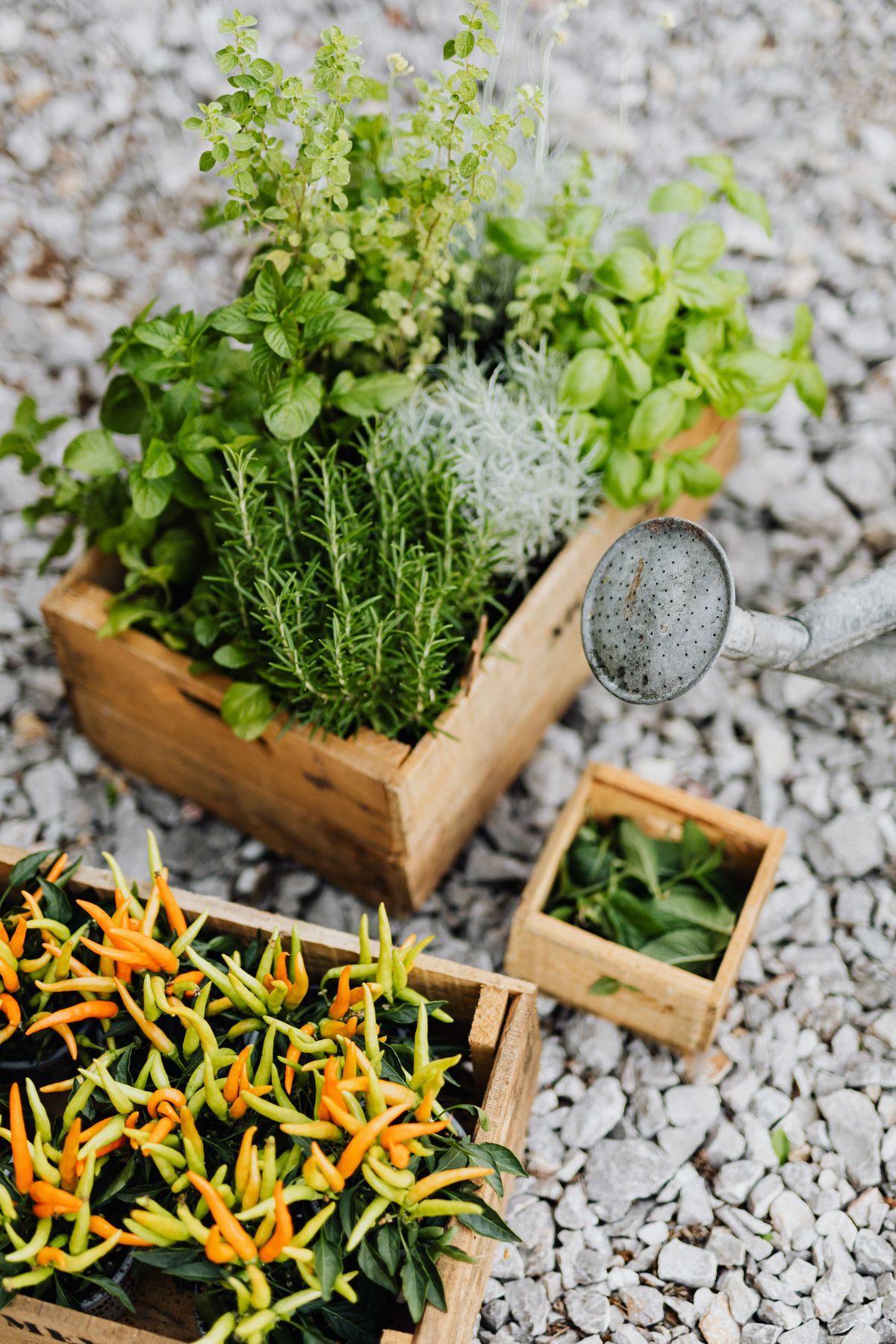
A Simple Starter Shopping Checklist
If you are building your first balcony garden, this short list will get you growing:
- Two or three pots with drainage holes, sized for what you want to grow.
- A bag of good-quality potting mix made for containers.
- A hand trowel for planting and topping up soil.
- Pruners or garden scissors for trimming and harvesting.
- A watering can with a fine rose.
- A railing planter or small tiered stand if floor space is tight.
- A general-purpose plant food for the growing season.
Start with a few herbs you use often, such as basil, mint or parsley, then expand once you find your rhythm.
Start your balcony garden with a few herbs, suitable pots and the tools you need for everyday care. Explore European Household’s garden tools and accessories for planting, pruning and everyday plant care, and choose the pieces that suit your space.
Frequently asked questions
Can I really grow vegetables on a small balcony in Lebanon?
Yes. As long as the space receives enough daily sunlight, you can grow herbs, leafy greens and even tomatoes or peppers in containers. Small balconies suit vertical and railing setups very well.
How much sun does a balcony garden need?
Most herbs and leafy vegetables need at least four hours of sun, root vegetables around six, and fruiting vegetables such as tomatoes about eight hours of full sun each day.
How often should I water balcony plants in summer?
Check the soil daily in summer. For most herbs and vegetables, water when the top 2–3 cm feels dry, allowing excess water to drain from the pot. Hot or windy conditions may require more frequent checks, but avoid watering soil that is still moist.
What is the most important feature to look for in a planter?
Drainage. A pot needs holes at the base so excess water can escape, otherwise roots sit in water and rot. Choose a size that matches the plant you want to grow.
Do I need many tools to start?
No. A hand trowel, a pair of pruners, a watering can and good potting mix are enough to begin. You can add tools as your garden grows.


